Introduction
In Australia, the relevance of having actually an Automated External Defibrillator (AED) all set can not be overemphasized. Abrupt cardiac arrest can strike anyone, anywhere, any time, and being prepared can conserve lives. Nonetheless, having an AED is simply the beginning; proper upkeep and battery treatment are vital elements that guarantee these life-saving devices function ideally when needed.
Keeping your AED ready involves understanding its elements, consisting of battery upkeep, which plays a considerable duty in the gadget's effectiveness. Enroll in CPR Training Sunshine Coast This short article aims to explore necessary battery upkeep tips for Australians while also supplying insights into AED use, legislation bordering defibrillators, and training resources available in Australia.
Automated Outside Defibrillator Explained Australia
Understanding AEDs
An Automated External Defibrillator (AED) is a portable device created to deal with individuals experiencing unexpected cardiac arrest. These devices evaluate the heart's rhythm and can supply an electrical shock to restore normality.
How Does an AED Work?
When attached to a patient by means of adhesive electrodes, the AED assesses the heart's rhythm and figures out whether defibrillation is essential. It gives clear audio and visual triggers to guide users with the process.
Importance of Accessibility
In Australian neighborhoods, having easily accessible public AED locations can significantly improve survival rates throughout heart emergencies. This accessibility makes sure that bystanders can promptly retrieve the tool when every second counts.
How to Make use of AED Detailed Australia
Step 1: Call Emergency Services
Before making use of an AED, it's essential to call emergency situation services quickly. This makes certain specialist aid is on its means while you supply assistance.
Step 2: Turn on the AED
Once you have the gadget, transform it on. Many models will give distinct guidelines guiding you via each step.
Step 3: Affix Electrodes
Open the person's t-shirt and connect the adhesive electrodes as suggested on the pads. Ensure correct positioning-- one pad goes on the top right breast, while the other is placed on the lower left side.
Step 4: Examine Heart Rhythm
Allow the AED to evaluate the heart rhythm. Make certain no one touches the person throughout this time.
Step 5: Supply Shock if Advised
If a shock is recommended, get rid of every person from contact with the person and press the shock button when prompted.
Step 6: Continue CPR as Directed
After delivering a shock or if no shock is suggested, continue carrying out CPR up until emergency solutions arrive.
AED and CPR Together Australia
The Synergy Between AED and CPR
Combining CPR with an AED takes full advantage of survival possibilities throughout a cardiac arrest circumstance. While mouth-to-mouth resuscitation preserves blood circulation to essential organs, making use of an AED restores typical heart rhythms.
Importance of Training in Both Areas
Understanding how to do both CPR and utilize an AED correctly enhances self-confidence in emergency situations. Enrolling in defibrillator training programs available across Australia improves abilities significantly.
AED Usage on Kid Australia
Pediatric Considerations for AED Use
While grown-up pads can be used on children over eight years of ages or evaluating greater than 25 kg, specific pediatric pads are recommended for more youthful children.

Special Instructions for Children
If you're using an AED on a youngster or baby:
- Ensure proper pad placement. Follow details directions provided by pediatric guidelines regarding shock delivery.
Always seek advice from regional procedures for using an Automated External Defibrillator clarified especially for kids in Australia.
AED Battery Upkeep Australia
Regular Battery Checks
Regularly check your AED's battery condition sign-- most devices have clear indicators revealing whether batteries are operating efficiently or need replacement.
Replacement Schedule
Typically, you must replace your AED battery every two to five years depending upon usage regularity and supplier guidelines.
|Kind|Substitute Frequency|| --------------------|----------------------|| Basic Battery|Every 2-5 years|| Lithium Battery|Check yearly|
Storing Batteries Correctly
Store batteries in a cool, dry area away from direct sunshine or extreme temperature levels to lengthen their lifetime effectively.

Workplace AED Demands Australia
Legal Obligations for Businesses
Under Australian law, companies are required to assess risks connected with abrupt cardiac arrests in their workplace environments. This includes having accessible emergency treatment equipment like an AED.
Implementing Office Policies
Developing policies bordering first aid feedback plans-- including training team on how to make use of an AED-- makes certain that work environment security procedures are effective.
Public AED Locations Australia
Mapping Out Public Gain access to Points
Various community campaigns have concentrated on drawing up public accessibility factors where individuals can find nearby Automated External Defibrillators discussed plainly on the internet or with mobile apps.
|City|Public Locations|| ---------------------|--------------------------------------|| Sydney|Parks & & Purchasing Centres|| Melbourne|Train Stations & & Arenas|| Brisbane|Airports & & Community Hubs|
This schedule equips people with understanding concerning where they can find these critical gadgets quickly during emergencies.
Defibrillator Training Courses Australia
Overview of Available Courses
Training training courses are crucial for educating people exactly how to run an Automated External Defibrillator successfully while also including mouth-to-mouth resuscitation techniques.
Course Providers
Several organizations use these training programs throughout Australia:
- St John Ambulance Red Cross Local Wellness Departments
Each training course covers vital skills tailored for different audiences ranging from work environment settings to community groups.
Defibrillator Regulation Australia
National Guidelines
Australian regulation concerning defibrillators mostly concentrates on guaranteeing ease of access within public areas while promoting area awareness of their uses and benefits.
Key Regulation Factors:
- Accessibility guidelines needing public places such as colleges and shopping center to have defibrillators readily available. Encouragement of community education programs about sudden heart attack monitoring making use of both mouth-to-mouth resuscitation and AEDs.
Choosing Right AED Australia
Factors To Take into consideration When Selecting An AED
When picking an Automated External Defibrillator explained within your setting:
User-Friendliness - Guarantee it has clear instructions. Portability - Think about weight if it needs moving frequently. Cost-Benefit Analysis - Evaluate prices against potential lifesaving benefits. Brand Reputation - Research study evaluates concerning reliability from other users.Selecting sensibly can make certain that whatever circumstance arises down under; you're well-prepared!
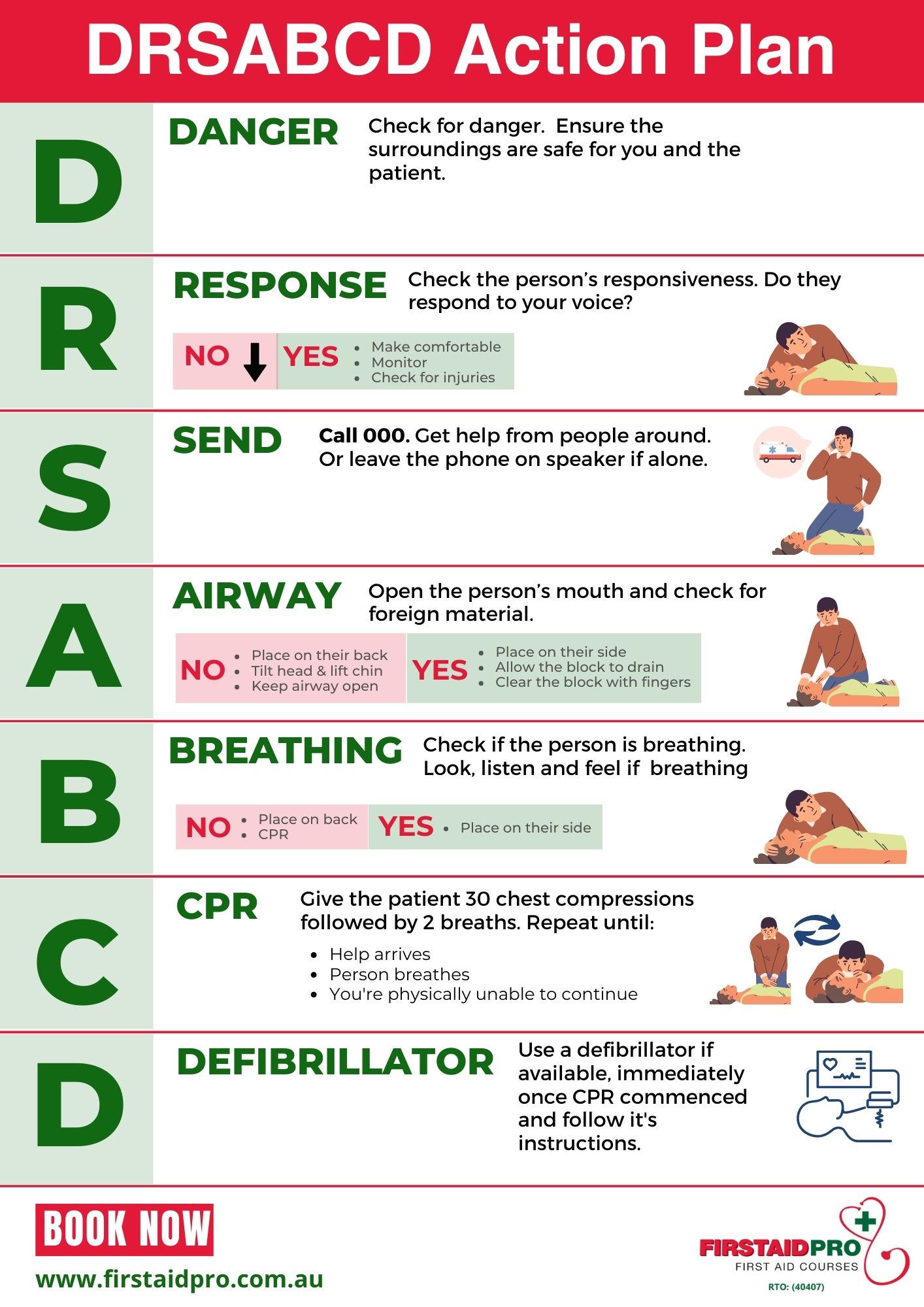
Keeping Your AED Ready: Crucial Battery Upkeep Tips for Australians
Maintaining your Automated External Defibrillator's battery is crucial for its functional preparedness during emergency situations. Normal examinations not just prolong battery life but additionally guarantee that you're equipped with completely practical devices when it matters most-- this might indicate life or death!
Remember always to follow maker standards worrying storage space conditions; maintain your device clean from dust build-up by wiping surfaces routinely without destructive components inside! In addition-- it's sensible method never ever undervalue inspecting expiration days either!
FAQs Concerning Keeping Your AED Ready in Australia
Q1: Exactly how typically should I examine my AED? A1: It's advisable to inspect your Automated External Defibrillator month-to-month or according to maker referrals for optimal performance checks!
Q2: Where can I take a defibrillator training course? A2: Lots of companies offer training programs across numerous places consisting of St John Rescue; check local health and wellness departments too!
Q3: What occurs if my battery expires? A3: If your battery ends or reveals low status signs-- replace it right away! A non-functional unit can lead put lives in danger throughout emergencies!
Q4: Are there legal requirements for workplaces relating to defibrillators? A4: Yes! Australian regulation requireds that businesses analyze threats related unexpected heart attack cases ensuring adequate first-aid steps including easily accessible defibrillation equipment!
Q5: Can I utilize adult pads on children? A5: Yes-- yet only if they consider greater than 25 kg; otherwise pediatric-specific pads ought to be made use of due properly adhering safety and security criteria detailed by local First Aid Training providers Sunshine Coast health authorities!
Q6: What sorts of atmospheres need publicly accessible defibs? A6: Places like schools parks shopping mall stadiums etc, must have simple gain access to factors ensuring everybody knows where help exists within reach when needed most!
Conclusion
In conclusion, keeping your Automated External Defibrillator prepared goes beyond plain possession; it needs ongoing commitment towards maintenance practices ensuring its capability remains undamaged for unanticipated circumstances occurring all of a sudden! By embracing routine checks focusing particularly upon battery standing recognizing just how vital this role plays-- even amidst turmoil-- you stand much better prepared conserving lives not just today however well right into future possibilities too! Always keep in mind-- the most effective prep work originates from expertise applied proactively instead of reactively when secs genuinely count!